Gas Line Capping in Denver, CO
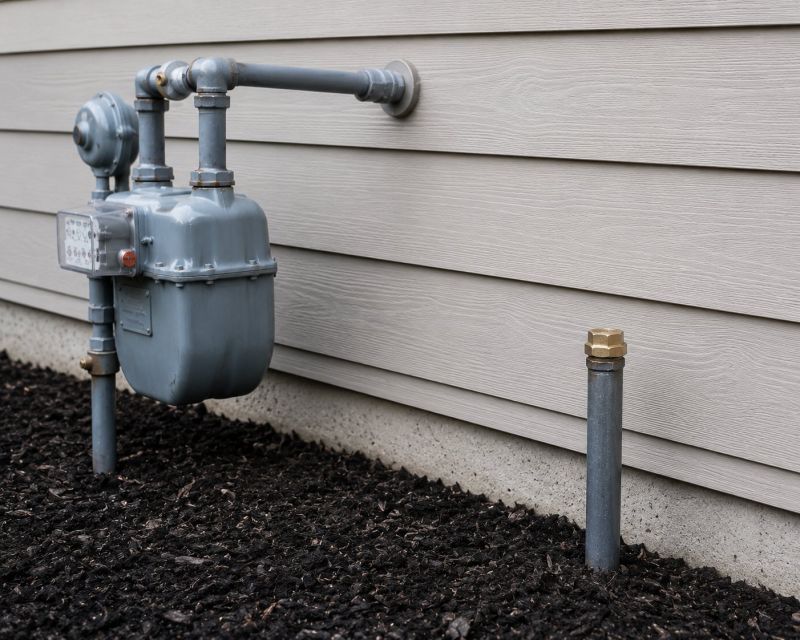
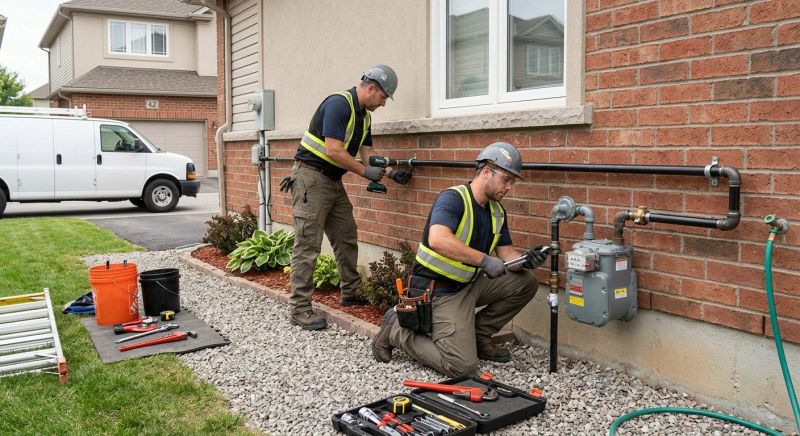
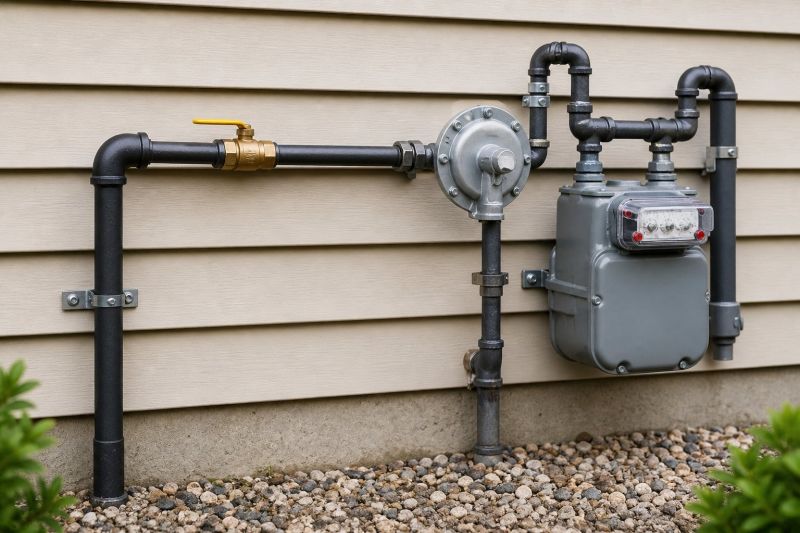
Gas line capping services involve safely sealing off existing natural gas or propane lines that are no longer in use or need to be temporarily shut down. This service is commonly requested during home renovations, appliance removals, or when switching to alternative energy sources. Property owners should understand that proper capping ensures the gas line is securely closed to prevent leaks or safety hazards, and it may be required before performing demolition or construction projects. Clarifying the specific location and type of gas line involved can help determine the appropriate method for capping, whether it’s a main line, branch line, or appliance connection.
Before requesting gas line capping, property owners often want to know about the condition of the existing lines and whether any permits or inspections are necessary. It is also helpful to understand the potential impact on other utilities or systems within the property. Properly capped gas lines should meet safety standards and local codes, making it essential to work with experienced professionals familiar with the requirements in Denver and surrounding areas. This service provides a secure solution for safely discontinuing gas supply to specific parts of a property or preparing for future modifications.
Many property owners in Denver, CO look into Gas Line Capping for repairs, replacements, upgrades, and appearance-related improvements.
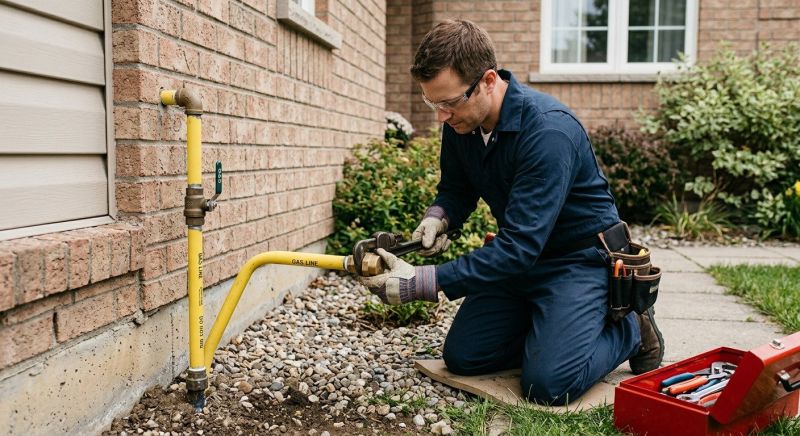
Gas Line Capping For Safety
Proper capping prevents leaks and ensures safe gas line decommissioning.
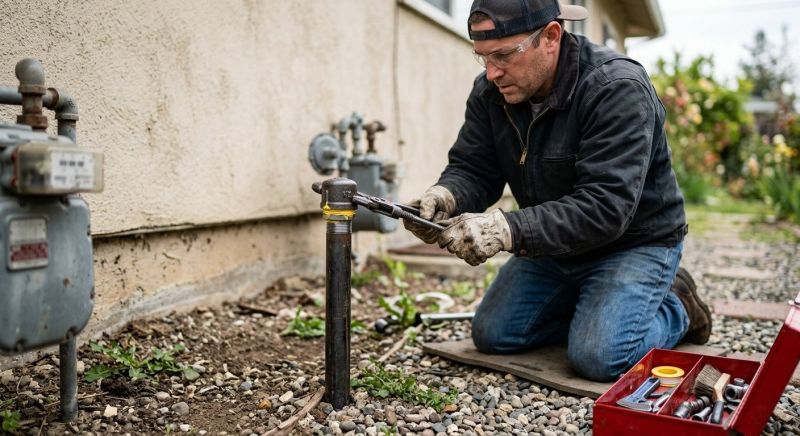
Residential Gas Line Closure
Capping services are essential when renovating or removing outdated gas lines in denver homes.
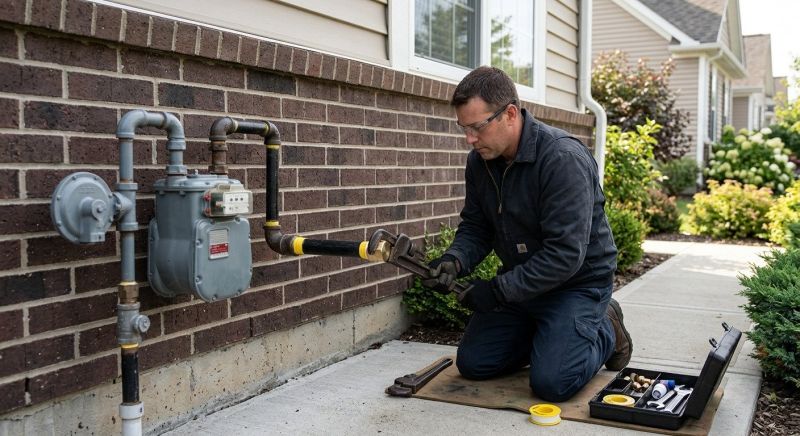
Emergency Gas Line Blocking
Quickly sealing off damaged or hazardous gas lines protects properties and occupants.
Gas Line Capping in Denver, CO
Gas line capping services involve safely sealing off existing natural gas or propane lines that are no longer in use or need to be temporarily shut down. This service is commonly requested during home renovations, appliance removals, or when switching to alternative energy sources. Property owners should understand that proper capping ensures the gas line is securely closed to prevent leaks or safety hazards, and it may be required before performing demolition or construction projects. Clarifying the specific location and type of gas line involved can help determine the appropriate method for capping, whether it’s a main line, branch line, or appliance connection.
Before requesting gas line capping, property owners often want to know about the condition of the existing lines and whether any permits or inspections are necessary. It is also helpful to understand the potential impact on other utilities or systems within the property. Properly capped gas lines should meet safety standards and local codes, making it essential to work with experienced professionals familiar with the requirements in Denver and surrounding areas. This service provides a secure solution for safely discontinuing gas supply to specific parts of a property or preparing for future modifications.
Many property owners in Denver, CO look into Gas Line Capping for repairs, replacements, upgrades, and appearance-related improvements.
Common Gas Line Capping Jobs
Gas line capping services secure unused or abandoned gas lines to prevent leaks.
Property upgrades often require gas line caps to ensure safety during renovations.
Emergency shut-offs involve capping gas lines to stop leaks quickly and safely.
New construction projects need capped gas lines until final connections are made.
Gas line repairs may include capping damaged sections to prevent further issues.
Property decommissioning requires gas line capping to safely disconnect utilities.
Gas Line Capping Questions
What is gas line capping? Gas line capping involves sealing an unused or damaged gas line to prevent leaks and ensure safety.
When should a gas line be capped? A gas line should be capped when it is no longer in use, such as during renovations or property decommissioning.
Is gas line capping a safe process? Yes, when performed properly, capping a gas line helps prevent leaks and reduces the risk of gas-related hazards.
What types of projects require gas line capping? Projects like appliance removal, home remodels, or property decommissioning often require gas line capping to ensure safety and compliance.
Request Gas Line Capping in Denver, CO
Use the quote form on this page to share the basics of your project and request more information for the type of work you need.